High school athletes put a lot of stress on their bodies. Between practices, games, strength training, conditioning, and year-round competition, it’s not unusual for young athletes to experience aches, pains, and injuries.
At Denver Sports Docs, we work with high school athletes who want to stay active, recover from injuries, and get back to the sports they love. While every injury is different, some problems tend to show up more frequently in young athletes.
Here are some of the common high school sports injuries we see and treat.
1. Knee Pain
Knee pain is one of the most common complaints among young athletes, particularly those involved in soccer, basketball, volleyball, football, running, and other sports that involve frequent jumping, cutting, and changes in direction.
Some common causes include:
- Patellofemoral pain syndrome (runner's knee)
- Patellar tendon irritation
- Osgood-Schlatter disease
- Meniscus injuries
- Ligament injuries
- Overuse injuries
Knee pain doesn't necessarily mean an athlete needs to stop playing sports altogether. However, persistent pain, swelling, instability, or pain that affects performance should be evaluated.
2. Ankle Sprains
Ankle sprains are extremely common in high school sports. They can happen when an athlete lands awkwardly, steps on another player's foot, or suddenly changes direction.
A mild sprain may improve relatively quickly, while more significant injuries can take considerably longer to heal.
One important consideration is making sure an athlete fully recovers before returning to competition. Returning too quickly can increase the risk of reinjury or ongoing ankle instability.
With traditional RICE protocols being outdated, it is important that we evaluate, treat, and move the tissue as early as possible for the best outcomes.
3. Shoulder Injuries
Sports that involve throwing, contact, or repetitive overhead movements can put significant stress on the shoulder.
We commonly see shoulder problems in athletes participating in:
- Baseball and softball
- Football
- Swimming
- Volleyball
- Wrestling
- Weightlifting
Shoulder pain can have many different causes, including muscle strains, tendon irritation, instability, and overuse. Pain that continues during or after activity shouldn't simply be ignored.
4. Back Pain
Back pain isn't limited to adults. High school athletes can experience back pain from repetitive movements, contact, strength training, poor mechanics, or rapidly increasing training volume.
Sports such as football, wrestling, gymnastics, baseball, and weightlifting can place significant demands on the spine and surrounding muscles.
A sports-focused evaluation can help determine whether pain is related to an acute injury, muscle or joint irritation, movement mechanics, or another underlying issue.
5. Muscle Strains
Hamstring, quadriceps, calf, groin, and other muscle strains are common in athletes who sprint, jump, kick, or rapidly accelerate and decelerate.
A muscle strain can range from a minor injury that improves quickly to a more significant tear requiring a longer recovery.
Continuing to train through significant pain isn't always the best approach. Proper evaluation and a gradual return to activity can help an athlete recover while reducing the risk of reinjury.
6. Overuse Injuries
Not every sports injury happens because of one specific event.
Overuse injuries develop when the body doesn't have enough time to recover from repeated stress. They're particularly relevant for young athletes who participate in the same sport throughout the year or play multiple sports with overlapping training schedules.
Common overuse problems can involve the:
- Knees
- Shoulders
- Elbows
- Shins
- Feet and ankles
- Hips
Early symptoms may be easy to dismiss because they often begin gradually. Pain that repeatedly returns during practice or competition is a good reason to have the athlete evaluated.
7. Shin Pain
Runners and athletes who participate in sports involving lots of running and jumping can develop pain along the shin.
"Shin splints" is a common term for exercise-related shin pain, but not all shin pain is the same. Persistent or worsening pain should be evaluated to determine the underlying cause and appropriate treatment.
Managing training volume, footwear, recovery, strength, and movement mechanics can all play a role in helping athletes stay healthy.
8. Hip and Groin Pain
The hips and groin are heavily involved in sprinting, cutting, kicking, and changing direction.
Soccer, hockey, football, basketball, and other field and court sports can put considerable stress on this area.
Hip or groin pain can result from muscle strains, joint irritation, overuse, or problems with movement mechanics. Because there are several potential causes, identifying the source of the pain is an important part of treatment.
When Should a High School Athlete Get an Injury Checked?
Some soreness after a hard practice is normal. Persistent or worsening pain, however, shouldn't automatically be considered "part of playing sports."
Consider having an athlete evaluated if they experience:
- Pain that doesn't improve with rest
- Pain that keeps returning during practices or games
- Significant swelling or bruising
- Loss of strength or range of motion
- Joint instability or a feeling that the joint is giving way
- Pain that changes the way they run, jump, throw, or move
- An injury that prevents them from participating normally
- Pain that continues to interfere with everyday activities
A timely evaluation can help determine what's causing the problem and what steps may help the athlete safely return to their sport.
Helping Young Athletes Stay Active
For high school athletes, the goal isn't simply to eliminate pain. It's to understand what's contributing to the problem, address the underlying factors, and help the athlete return to the activities they enjoy.
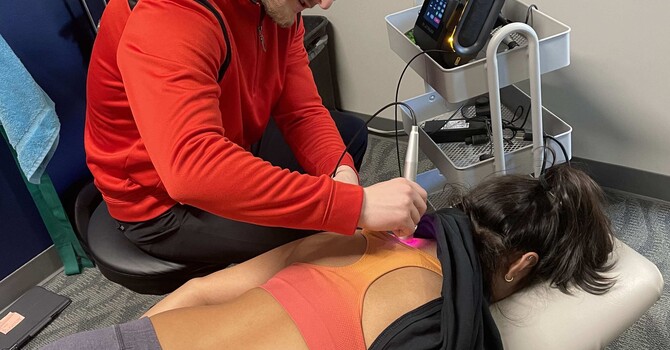
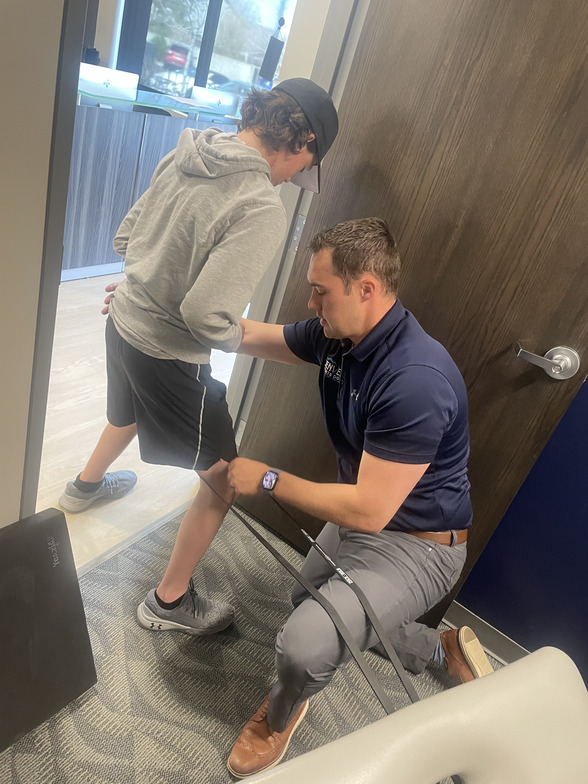
At Denver Sports Docs, we work with active patients and athletes using individualized treatment and rehabilitation strategies. Depending on the injury and the athlete's needs, treatment may include chiropractic care, soft-tissue techniques, dry needling, Class IV laser, therapeutic exercise, and other appropriate therapies.
If your high school athlete is dealing with an injury that isn't getting better, don't assume they simply need to "play through it." Getting the problem evaluated can be an important first step toward recovery and a safe return to sports.
Denver Sports Docs serves athletes and active individuals in the Denver and Thornton area. Contact us to schedule an evaluation and find out how we can help your athlete get back to doing what they love.
This article is for general informational purposes and is not a substitute for an individual medical evaluation. If an athlete has a severe injury, significant swelling, deformity, loss of consciousness, difficulty breathing, or another emergency, seek appropriate emergency medical care.

Dr. Kyle Zachgo, DC
Contact Me